Research
Freshwater Mussel Evolution
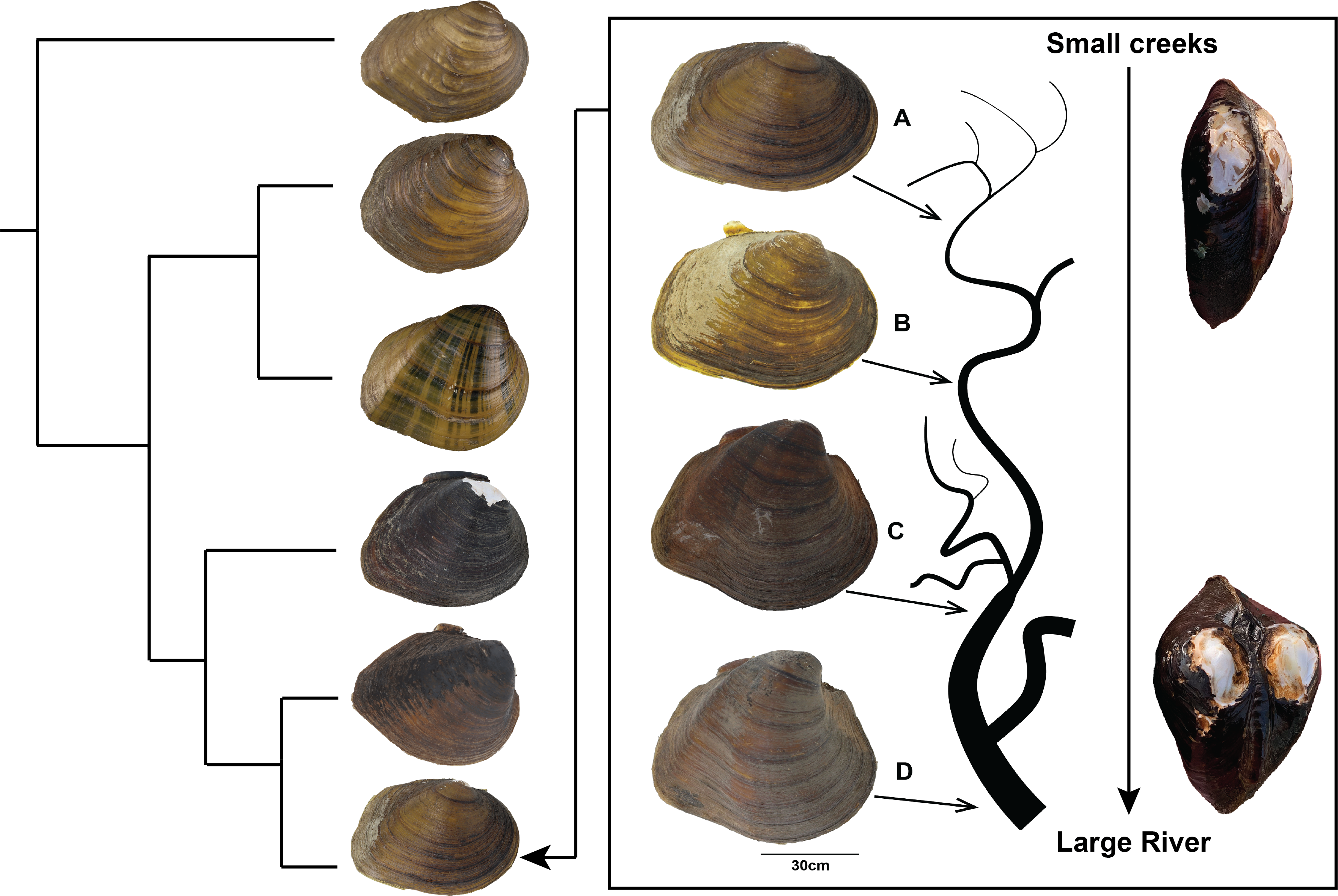
Over the past 30 years or so, "new" freshwater mussel species are being described at a record pace. Much of this is due to the implementation of molecular tools and the ability to sequence large parts of mussel genomes. Similarly, molecular tools have enabled us to test prevailing phylogenetic hypotheses more rigorously and revise taxonomy accordingly. This work is made possible in large part because of the vast natural history collections across the world. I aim to continue enriching the freshwater mussel tree of life through collections-based research and utilization of a combination of approaches like genome skimming, target capture, and RAD sequencing. My work thus far has focused on a group of mussels in the tribe Pleurobemini, specifically the genus Fusconaia. I am particularly interested in the Pleurobemini because of their highly conserved morphologies but also the incredibly variable morphologies of certain species. My goal is to provide taxonomic stability to this area of the tree, as well as other areas, so applied evolutionary research can be conducted with confidence.
Phylogenetics and Phylogeography
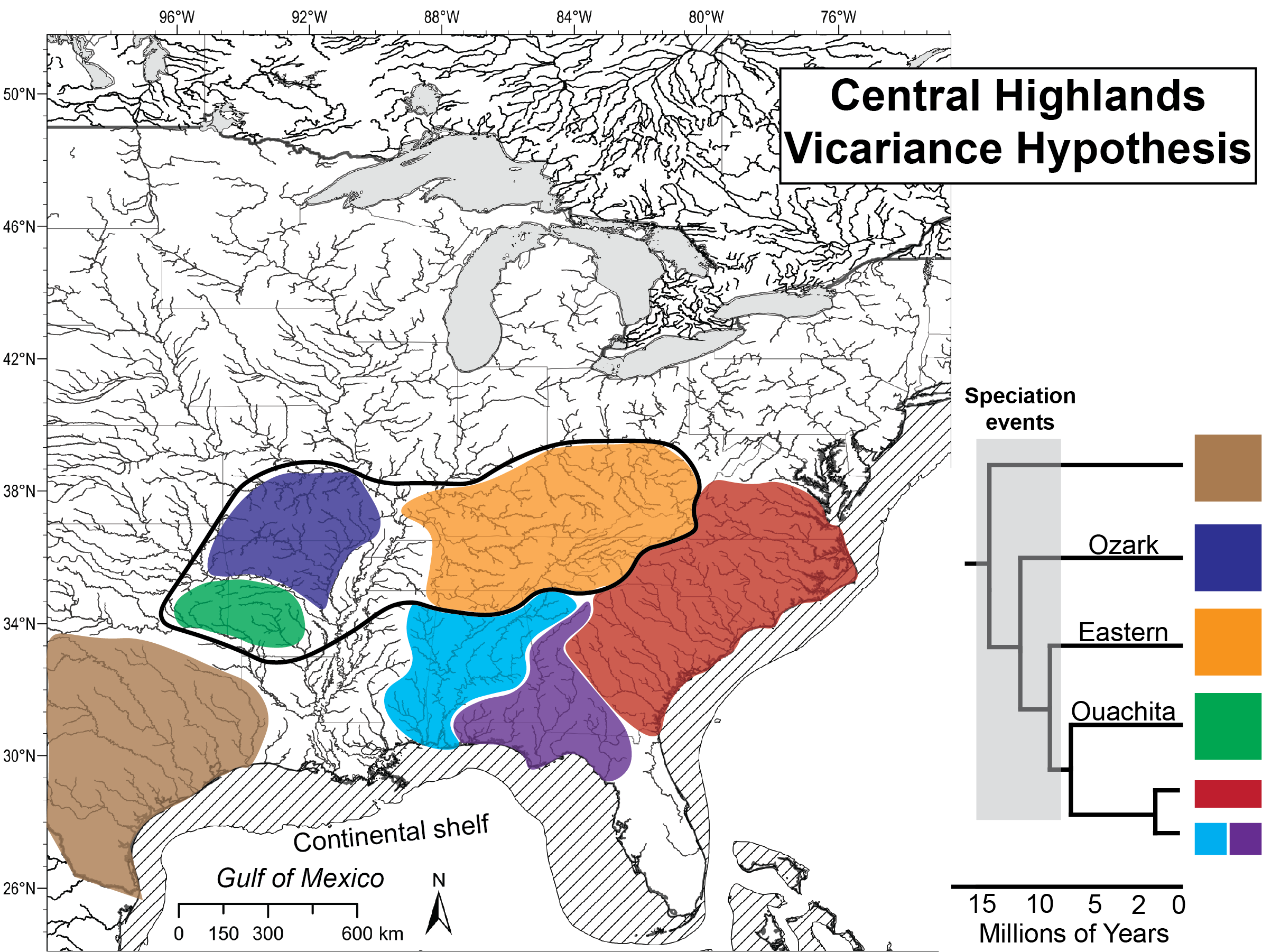
The dramatic evolution of landscape features in North America over the last 20-30 million years has significantly influenced the diversification of aquatic fauna. The process of applying inferred phylogenetic splits between populations to physiographic hypotheses provides a link to the mechanisms underlying speciation. One biogeographic region that has played a significant role in the current distribution of aquatic biodiversity in eastern North America is the Interior Highlands. Testing phylogeographic hypotheses associated with this area is of high interest for conservation efforts but also presents an opportunity to understand how evolutionary mechanisms like gene flow and natural selection operate on riverine organisms at the supraspecific, species, and population levels. My collaborators and I are currently working on projects to reconstruct the drainage history of the Ozarks and Ouachita Mountains.
Experimental Ecology
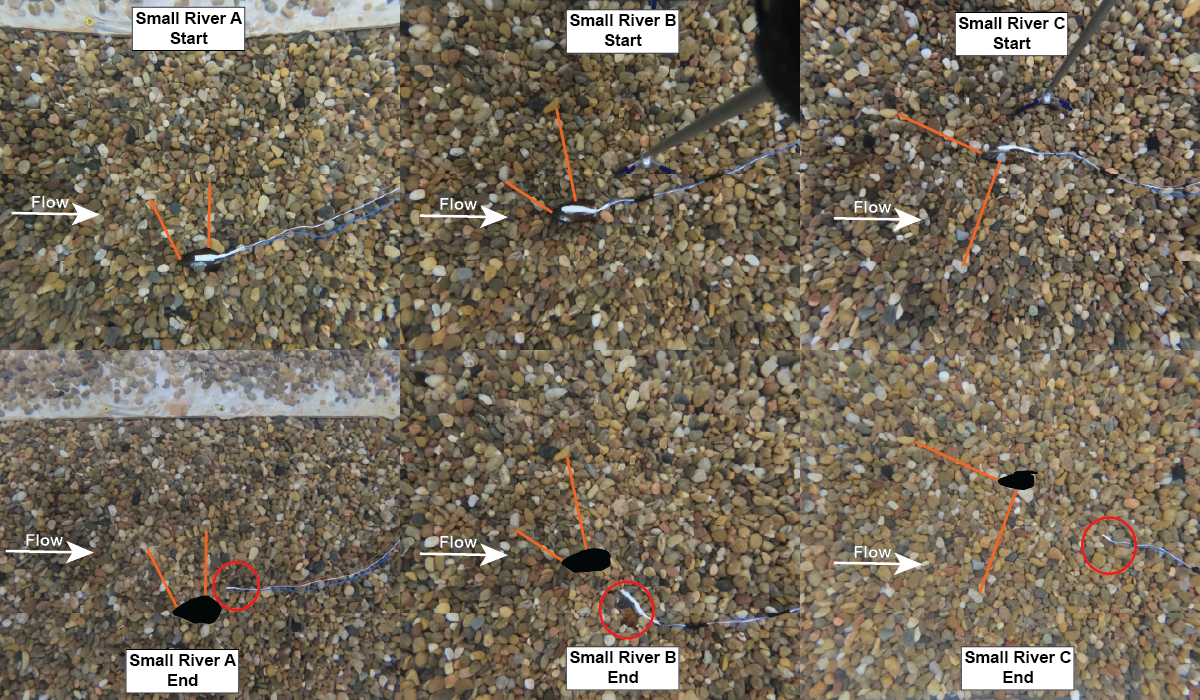
For many species, basic life history research is desperately needed. Equally important is understanding the function of organismal features. Both are critical aspects of evolutionary and ecological research which makes them priorities. Experiments are a highly effective means of gathering life history data and uncovering the mechanisms that are responsible for morphological variation between and within species. The experimental arm of my research program has two foci: 1) life history needs of freshwater mussels and 2) controlled flume experiments. Past research has involved understanding the life history needs of the critically endangered spectaclecase mussel (Cumberlandia monodonta) and investigating ecomorphology in Fusconaia.
Conservation Biology
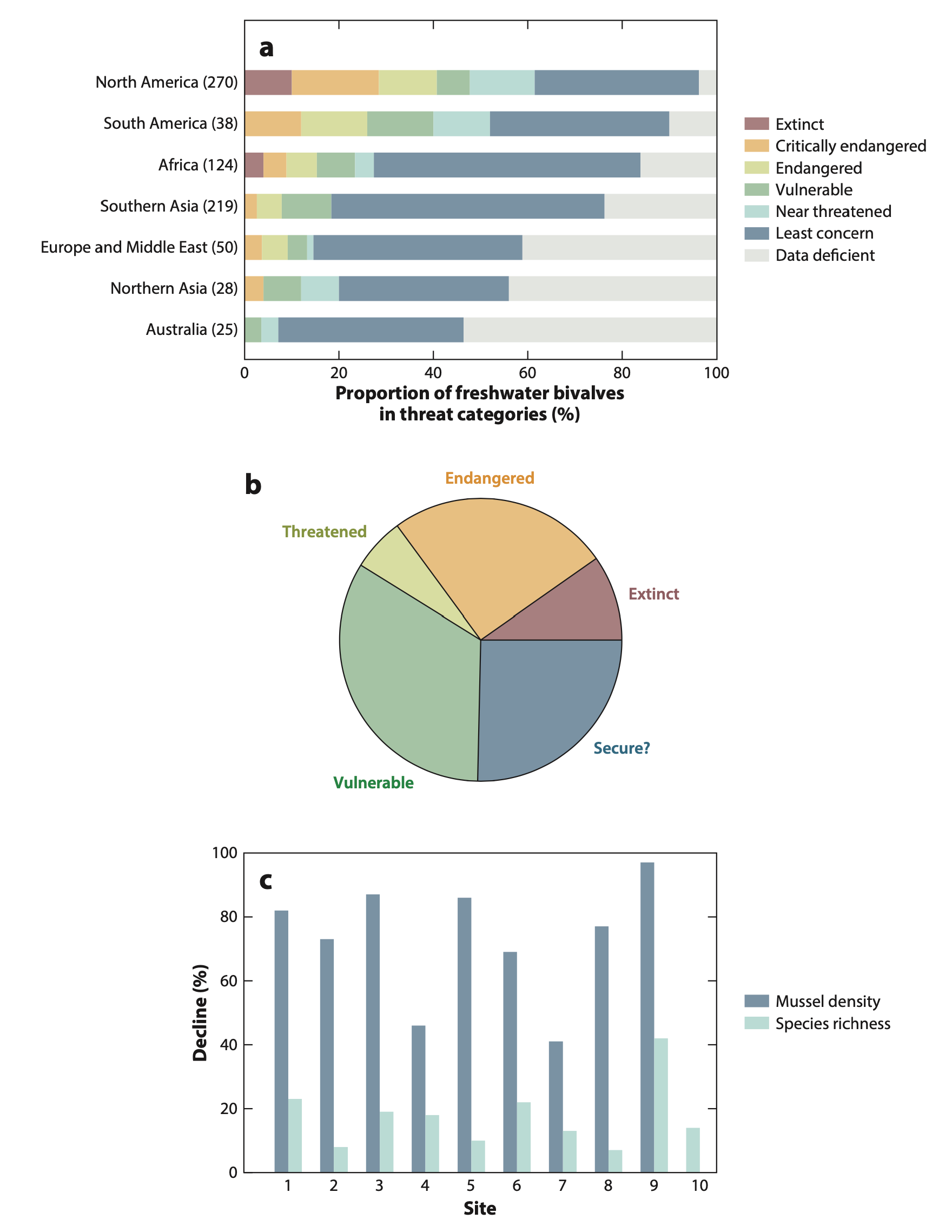
In terms of freshwater biodiversity conservation, understanding the evolutionary histories of freshwater organisms can be used to better inform conservation actions. For organisms in rivers specifically, understanding how speciation processes and morphological features contribute to present day distributional patterns will facilitate our ability to conserve species and hopefully prevent further declines. Stream organisms are facing extinction from the worst effects of climate change and habitat destruction, and mussels serve as a sort of “canary in the coal mine”. Fixing taxonomic issues surrounding mussels will undoubtably facilitate more accurate taxon-based conservation of a group of mussels containing cryptic diversity and endangered species.